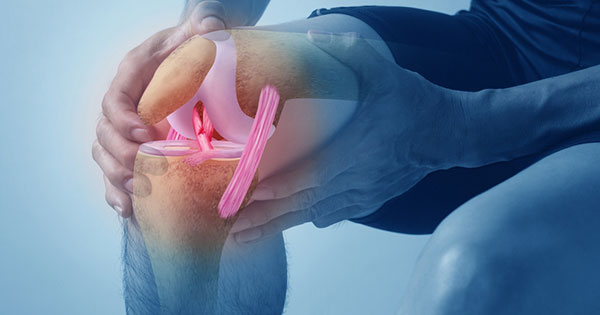
Anterior Cruciate Ligament (ACL)
The Anterior Cruciate Ligament (ACL) plays a vital role in maintaining knee stability by connecting the femur to the tibia, allowing for controlled movement and preventing excessive forward motion of the tibia relative to the femur, which is essential for activities like running, jumping, and pivoting. The ligament's main function is to stop the tibia from moving forward relative to the femur and to provide rotational stability, particularly during fast-paced movements and athletic activities. The importance of the ACL lies in its ability to enable athletes and active individuals to perform high-impact movements safely. An ACL injury, often a tear or rupture, can lead to knee instability, impairing mobility and increasing the risk of further joint damage, such as meniscal tears or osteoarthritis. Restorative therapies and, when necessary, surgical procedures by the best orthopedician in Vizag play a crucial role in regaining joint functionality and averting chronic joint complications. Therefore, understanding the ACL’s role emphasizes the need for proper training, conditioning, and injury prevention strategies, especially in sports involving rapid directional changes and jumping.
What is an ACL tear?
An ACL tear refers to a rupture or severe overstretching of the anterior cruciate ligament, a key ligament in the knee that stabilizes the joint during rotational and pivoting movements. The injury often requires medical evaluation through physical exams and imaging tests like MRI to confirm the diagnosis.
how does an ACL tear occur?
An ACL tear often occurs due to a variety of causes, primarily involving sudden, forceful movements that overstretch or twist the ligament. According to an orthopedician in Vizag, this injury results from pivoting or cutting manoeuvres, especially during sports like football, basketball, kabaddi or kho-kho, where rapid direction changes are frequent. Poor neuromuscular control and inadequate strength around the knee can increase susceptibility, as the muscles fail to stabilize the joint during dynamic activities. Additionally, improper landings from jumps, especially when the knee is in an awkward position or not properly aligned, can generate excessive stress on the ACL. External factors such as uneven playing surfaces or collisions with other players can also contribute. Anatomical variations, like a narrower intercondylar notch or ligament laxity, may predispose some individuals to tears. Lastly, fatigue can impair coordination and reaction time, making sudden, high-impact movements more likely to cause injury.
Symptoms of an ACL tear
An ACL tear often presents with a sudden, sharp pain at the knee, frequently accompanied by a popping sound during injury. Swelling rapidly develops within hours, causing the knee to feel unstable or "giving way," especially during weight-bearing activities. Individuals may have trouble straightening or fully extending the knee, along with tenderness around the joint. A feeling of looseness or instability can persist, making it hard to walk or perform athletic movements. A reduction in knee strength, limited range of motion, and tenderness along the joint line can indicate underlying issues requiring swift diagnosis and intervention at the best orthopedic hospital in Visakhapatnam to ensure proper stability and functional recovery.
Post Injury Management
Recovering from an ACL tear involves a multifaceted plan that integrates prompt medical treatment with targeted rehabilitation. Right after the injury, applying the R.I.C.E. protocol—rest, ice, compression, and elevation—serves to minimize inflammation and alleviate discomfort, setting the stage for effective healing. Medical evaluation by an orthopedic specialist is crucial to determine the severity of the tear; minor tears may respond well to conservative treatments like physical therapy, which focuses on enhancing the strength of the surrounding muscles for stabilizing the knee joint and facilitating the restoration of its proper function, thereby reducing the risk of injury and improving overall mobility. In cases of complete or severe tears, surgical reconstruction using grafts (often from the patient’s own tissue or a donor) may be necessary to restore stability and prevent further damage. Knee arthroplasty in Visakhapatnam, also known as knee replacement surgery, is a procedure that alleviates pain and restores function in severely damaged knees, often due to arthritis or injury. By replacing damaged joint surfaces with artificial components, it improves mobility and quality of life, with advancements enhancing durability and recovery outcomes for patients. Following surgery, implementing a comprehensive rehabilitation plan is crucial, focusing on carefully progressing weight-bearing activities, restoring joint flexibility through range-of-motion exercises, and enhancing muscle strength to support and stabilize the joint effectively. Emerging therapies, such as platelet-rich plasma (PRP) injections, are being explored to promote healing, though scientific consensus is still developing. Preventative measures, like regular knee strengthening exercises and proper training techniques, can help reduce the risk of ACL injuries. Ultimately, personalized treatment plans created by healthcare professionals, combined with consistent physical therapy and injury prevention strategies, are key to a successful recovery and return to activity.
ACL Reconstruction
ACL tear surgery, usually involving an ACL reconstruction, is a widely performed procedure aimed at restoring knee stability and function following a ligament injury, helping athletes and active individuals return to their normal activities with confidence. The surgery involves replacing the torn ligament with a graft, usually harvested from the patient's own patellar tendon, hamstring tendons, or a donor. The procedure is performed arthroscopically, minimizing incision size and promoting quicker recovery. Effective post-surgery rehabilitation plays a vital role in regaining flexibility, rebuilding muscle strength, and restoring overall functionality, ensuring patients recover fully and return to their daily activities with confidence. Advances in surgical techniques and graft options have improved outcomes, allowing athletes and active individuals to return to their previous activity levels. Early intervention by the best orthopedic doctor in Vizag and personalized rehab plans are vital for successful recovery and long-term knee health.
If you or a loved one are experiencing persistent knee pain and want expert guidance, schedule a consultation with Dr. Naveen Palla, a highly regarded orthopedic specialist in Vizag. His prompt and proficient care can help diagnose the root cause of your discomfort and provide effective treatment options to restore mobility and relieve pain swiftly.
Navigation
- What is Reverse Shoulder Replacment?
- Knee Pain due to ACL Tear : Causes and Remedies
- How to Relieve Knee Pain Naturally
- Preventing Workplace Injuries
- Winter and Joint Replacement Care
- Common reasons for visiting an Orthopedic doctor
- Bones, Joints & Pains
- Osteoporosis & its effects
- Sports Injury Depression - How to find the best sports medicine specialist
- Arthroscopy – one good approach with benefits
- Common sports injuries and precautions
- Living with Hip Pain? Hip pain causes and precautions
- Arthroscopy surgery and its recovery
- Knee arthroscopy procedures & when do you need arthroscopy
- Partial Vs Total Joint Replacement What is The Difference?
- Stem Cell and PRP Therapy Advantages for Arthritis problems
- Sports injuries and Orthopedic Care: Getting Back in the Game
- Common Ankle Conditions and how Arthroscopy is useful